

BASIC Reference 188
Temporary buildings for the warehousing of timber components
Protection class 3 | condensation-protected. A manufacturer of garden sheds needs a lot of space to protect prefabricated timber components from bad weather. HALTEC temporary buildings have proven to be so efficient for the customer that he has bought several halls from HALTEC over the last few years.
In the meantime, four identical temporary buildings with an area of 3,000 m² ensure an enormous space gain and economical storage of frost-resistant components. Both the size and the practical equipment of the halls contribute to this:
- Protection against condensation : the retracted interior tarpaulins optimally protect the goods from dripping condensation.
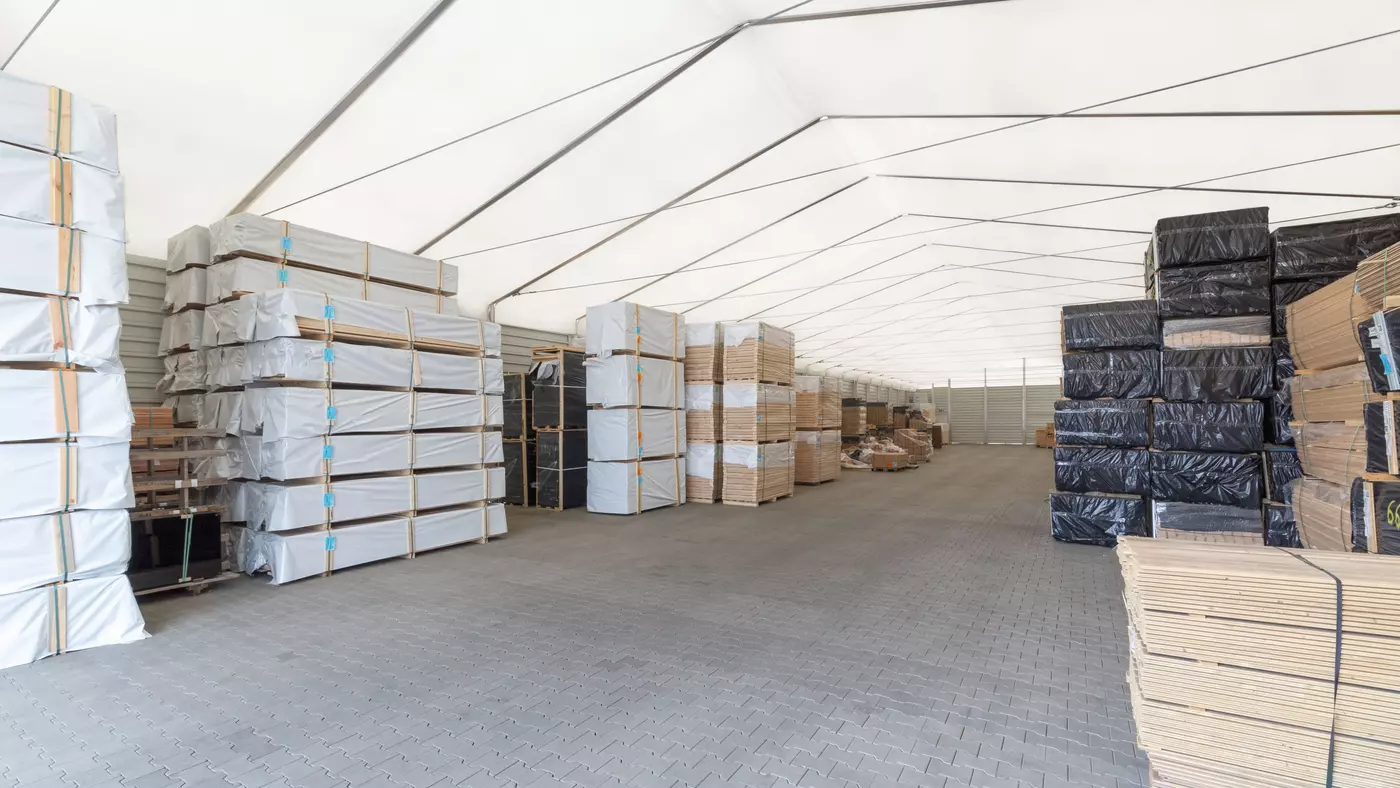
- Maximum space utilisation : With a side height of 4.40 m, the large timber packages can be efficiently stacked on top of each other.
- Maintenance-free sliding doors: The gable side allow forklift trucks to drive the timber packages in and out with ease. The doors require no electricity, are maintenance-free and easy to operate.
With the HALTEC BASIC halls, the customer has found the perfect solution for his space gain and has reaffirmed his trust in HALTEC time and time again over the years.
Reference images and details
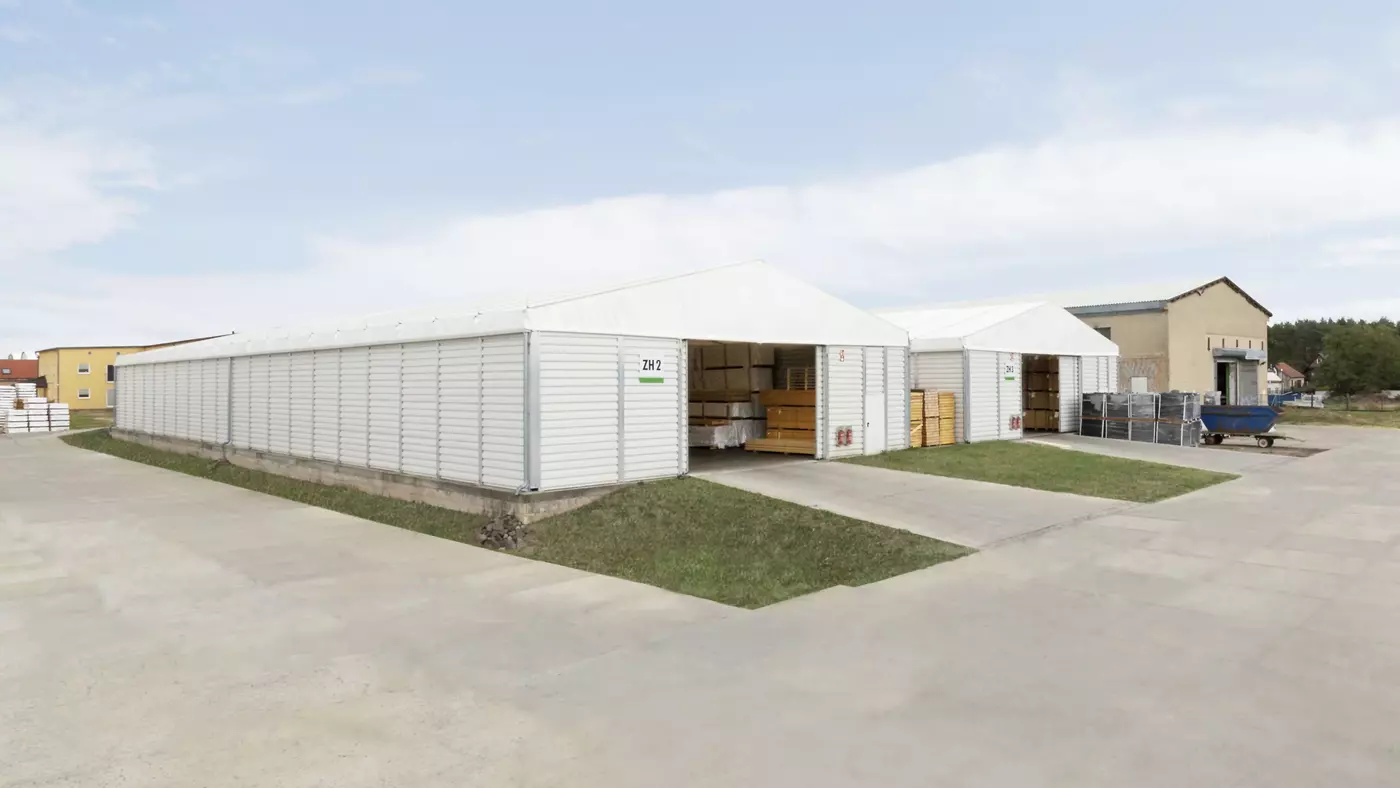
Economic space gain
The large temporary buildings provide safety and weather-protected storage space at all times at top prices.
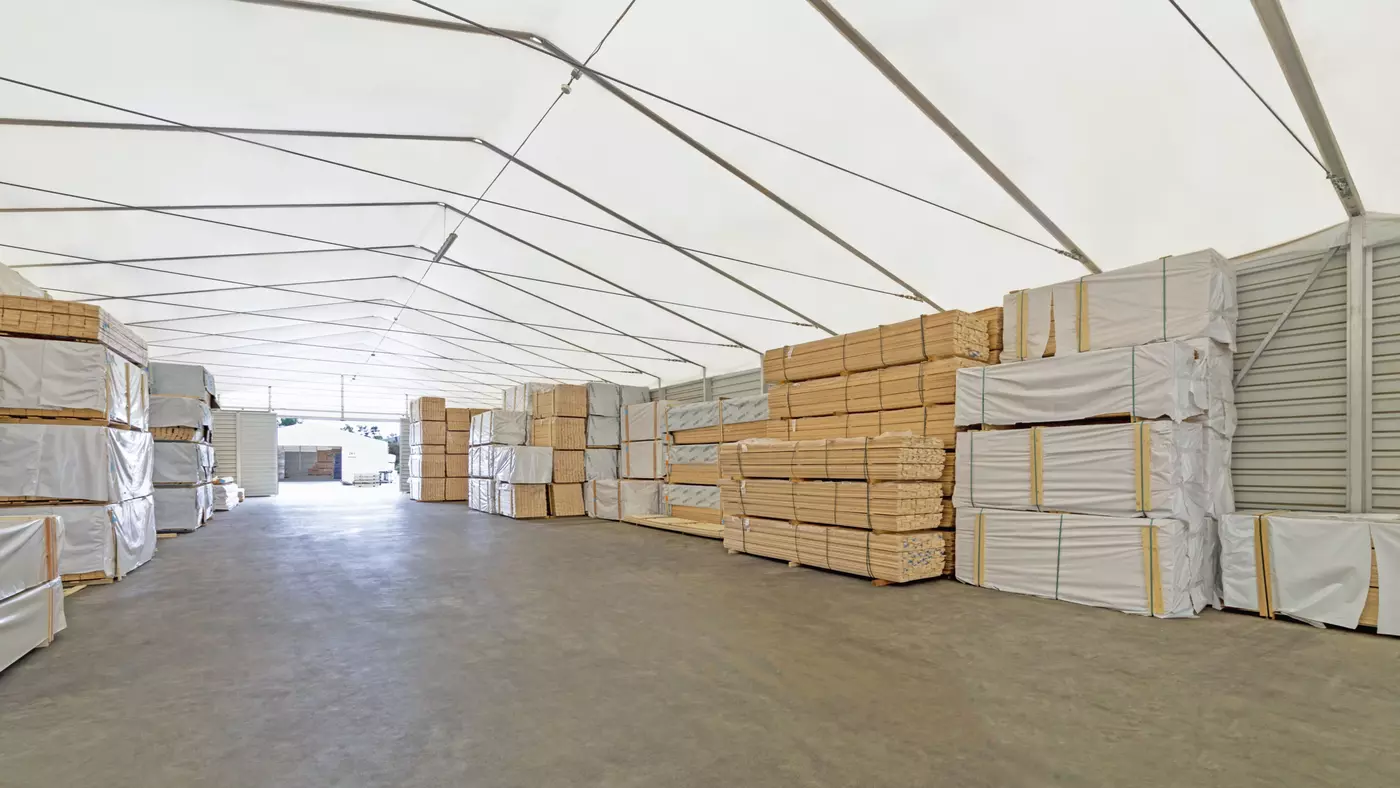
Light and dry
The combination of PVC roof tarpaulin and additional interior tarpaulin allows daylight into the interior and provides protection against condensation.
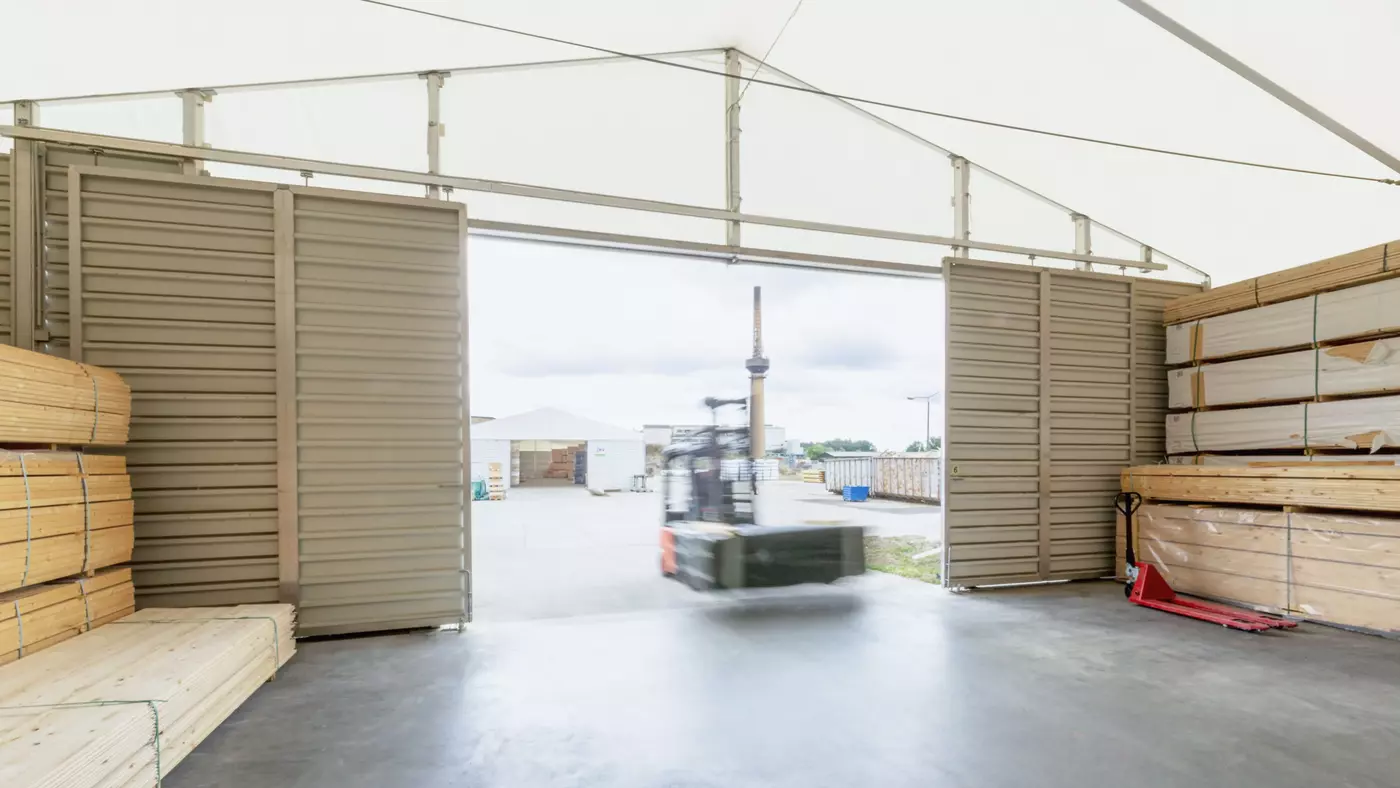
Large and maintenance-free
The manually operated sliding gates allow the timber packages to be moved in and out of the hall without any problems.
Maximum space utilisation
Thanks to the hall's side height of 4.40 metres, the timber packages can be stacked perfectly on top of each other - for efficient storage.
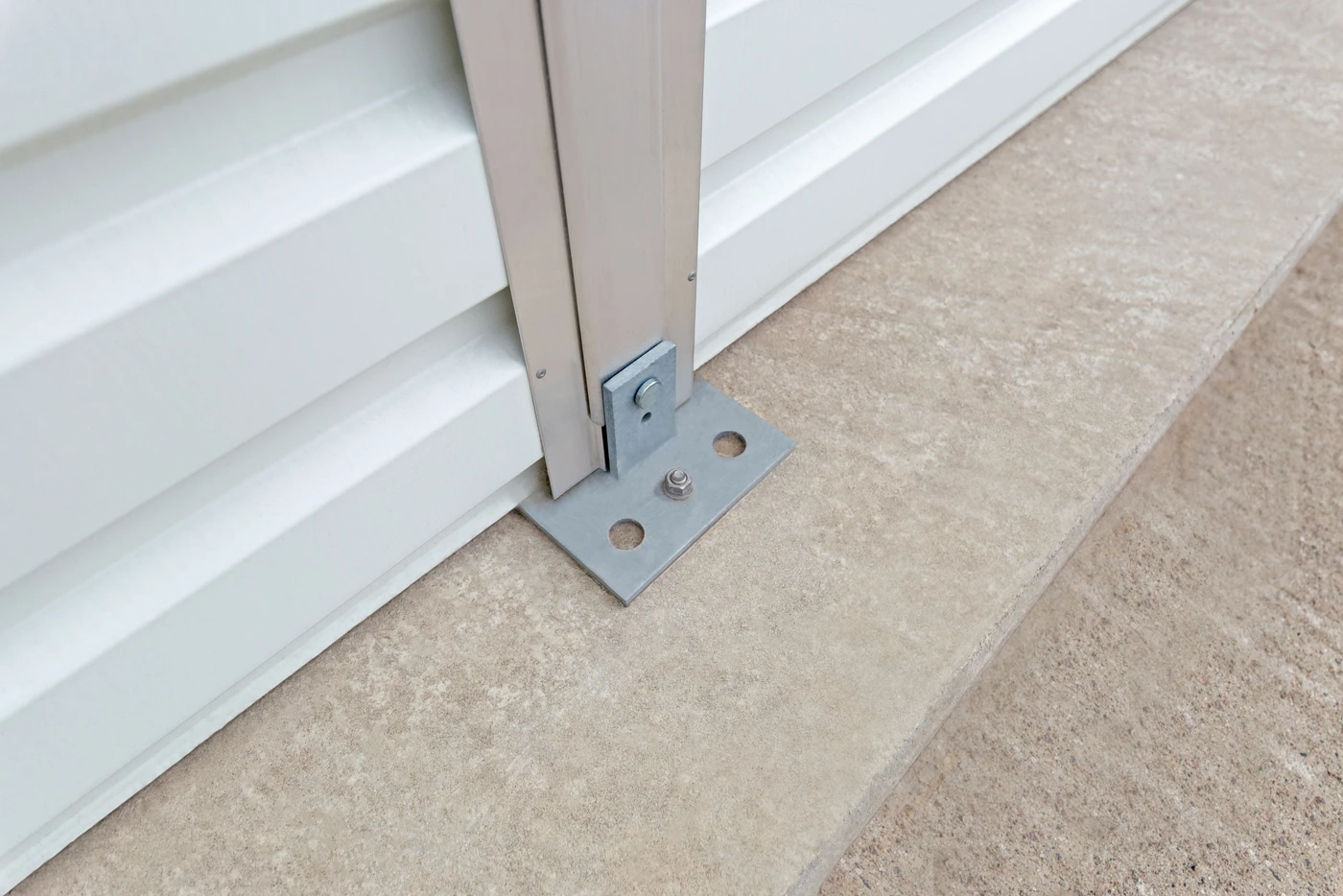
Permanently fixed
The supports are permanently and safely anchored to on-site concrete foundations using heavy-duty dowels.
Well advised. HALTEC.
Building a hall raises many questions. Our online guide has detailed answers for you.
Find out how you can erect temporary buildings without foundations using soil nails. What you need to consider when obtaining approval for temporary buildings and which types of foundations are suitable if the temporary building is to be anchored with heavy-duty anchors. We also explain how temporary buildings can be moved on rails or attached without anchoring using ballast only.
BASIC Reference 188